What Are the Best and Worst Kitchen Upgrades to Make During a Renovation?
A kitchen renovation is one of the most expensive home improvement projects, and one of the most emotionally driven. It’s easy to get swept up in trends, luxury finishes and showroom features that look stunning. However, they don’t always make sense in real life. Whether you’re renovating to improve daily living or boost resale value, knowing which upgrades are worth the money—and which are not—can save you thousands.
Below are the best and worst kitchen upgrades to consider, evaluated through cost, practicality and impact on resale value.
The Best Kitchen Upgrades
1. Updated Cabinets
Cabinets typically account for a large portion of a kitchen renovation budget, but they’re also one of the most impactful upgrades. Well-designed, neutral cabinets make a kitchen feel new, clean and functional.
They provide a high visual impact, can increase your resale appeal and help improve storage and overall organization for food and dishes.
Full cabinet replacement can be expensive, but refacing or repainting existing cabinets offers a high return at a lower cost. Soft-close hinges, deeper drawers and pull-out shelves dramatically improve day-to-day usability.
2. Quality Countertops
Countertops are a focal point, and buyers notice them immediately. Durable, low-maintenance materials like quartz consistently outperform trendier or delicate options.
Quartz countertops provide excellent durability and come with a broad buyer appeal. They also offer a modern appearance and are easily to maintain than other luxury options like marble. It holds up well over time, which reassures buyers and reduces long-term replacement costs.
3. Improved Lighting
Lighting is often overlooked, yet it has an outsized effect on how a kitchen feels and functions. Proper lighting will enhance both the aesthetics and usability of the room as a whole. It also comes with a low cost, and helps make your kitchen feel larger and brighter.
Combining recessed lighting, under-cabinet lighting and a simple statement fixture over an island creates flexibility and improves visibility for cooking and cleaning.
4. Energy-efficient, Mid-range Appliances
Appliances should be reliable, efficient and appropriately scaled to the home. They don't have to be top-of-the-line. Energy-efficient options come with savings over time, and have a strong resale appeal. Most buyers also expect homes to come with appliances included in the purchase.
Mid-range appliances offer the best balance between performance and cost. They also appeal to the widest range of buyers without inflating the renovation budget.
5. Thoughtful Layout Improvements
If your budget allows, improving workflow is one of the most valuable upgrades you can make. This will improve the daily use and function of your kitchen, and can make the space feel larger. It also comes with long-term functional payoffs.
For example, think of widening walkways, adding an island with storage or repositioning appliances for better flow. These changes can dramatically improve usability without increasing square footage.
The Worst Kitchen Upgrades
1. Ultra-luxury Appliances in Average Homes
Professional-grade ranges and built-in espresso machines may look impressive, but they rarely deliver a return unless the home itself is high-end. They're very expensive, don't appeal to everyone and often come with high repair and maintenance costs.
In many cases, buyers worry more about replacing or maintaining these appliances than enjoying them.
2. Trend-driven Design Choices
Bold colors, highly stylized backsplashes and niche finishes often age poorly. They go out of style fast, can deter potential future buyers and can be costly to repair.
Neutral kitchens consistently perform better in resale situations, even if trends feel exciting at the moment.
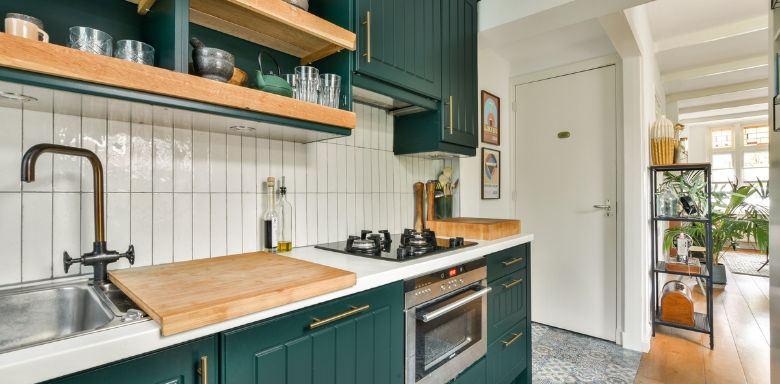
3. Open Shelving Instead of Upper Cabinets
Open shelving photographs beautifully but performs poorly in everyday life. You'll have reduced storage and everyone will be able to see your clutter. Plus, they require constant cleaning.
While a small amount of open shelving can work, replacing most upper cabinets with shelves is often regretted by homeowners.
4. Oversized Islands That Disrupt Flow
Kitchen islands are popular, but bigger is not always better. They can restrict movement, make your kitchen feel cramped and reduce the room's overall functionality instead of improving it.
Islands should enhance workflow, not dominate the room.
5. Over-customizing for Personal Habits
Built-in wine fridges, appliance garages or highly specific storage solutions may suit your lifestyle, but not everyone else’s. These additions can be expensive to fix, may need to be removed in the future and can limit flexibility for future owners. Plus, they are rarely worth the investment.
A Practical, Timeless Kitchen
The best kitchen upgrades prioritize function, durability and broad appeal. Improvements that make daily life easier—better storage, lighting and layout—tend to deliver the strongest long-term value. On the other hand, overly trendy or ultra-luxury features often cost more than they return.
A successful kitchen renovation isn’t about chasing the most expensive finishes, it’s about making smart, balanced choices that stand the test of time. If you're planning on renovating your kitchen, make sure to consider the best and worst kitchen upgrades, and what you truly want for your home.
Upgrading your home's tech? Check out these smart solutions for home protection.